AC Refrigerant Leaks in Denver: 5 Warning Signs to Watch For
Published: 2026-06-30 · By GoodPros Heating and Cooling
In Denver, where the warm summer sun can quickly turn into a chilly evening, the reliability of your air conditioning system is paramount. Imagine suffering through a scorching day, only to come home to an AC unit that is blowing warm air. One of the culprits behind such a failure could be a refrigerant leak, an issue that many homeowners may overlook until it's too late.
Why This Matters for Denver Homeowners
For Denver residents, where rapid temperature swings and sudden hailstorms are all too common, maintaining your air conditioning system becomes essential. A refrigerant leak not only hampers efficiency but can also lead to costly repairs. Refrigerants play a crucial role in cooling your home; when they leak, your system has to work harder, which can elevate energy bills and decrease comfort levels.
The variable climate conditions here, including intense spring thaw cycles, can exacerbate existing issues by stressing components beyond their limits. Understanding the signs of refrigerant leaks becomes even more important when extensive snowmelt creates additional moisture around your home's foundation.
A delay in addressing a refrigerant issue can escalate into extensive damage, leading to more significant repairs and potential system failure. Being proactive will ensure that your air conditioning remains in top condition throughout the warm months.
Expert Solutions & Actionable Tips
1. Check for Ice Accumulation on the Coils
If you notice ice forming on your AC coils, this could indicate low refrigerant levels. Ice build-up will hinder your system's ability to cool effectively.
Regular maintenance checks in Denver can significantly reduce the risk of encountering this issue, particularly as temperatures fluctuate. An ice-free coil promotes better airflow and efficiency, resulting in lower cooling costs.
2. Monitor Your Energy Bills
A sudden spike in your energy bills might be more than just summer heat. When refrigerant leaks occur, air conditioning systems utilize more energy to maintain temperature, leading to inflated costs.
For Denver homeowners, regularly reviewing utility statements can help identify unusual spikes. Taking prompt action can not only prevent long-term issues but also save you money.
3. Listen for Unusual Noises
If your AC starts making clunking or hissing noises, these could point to an internal refrigerant leak or other serious issues. Such sounds should not be ignored as they often indicate a greater problem.
Catching these signs early on will allow for timely repair, minimizing inconvenience and ensuring your home remains comfortable through unpredictable Denver weather.
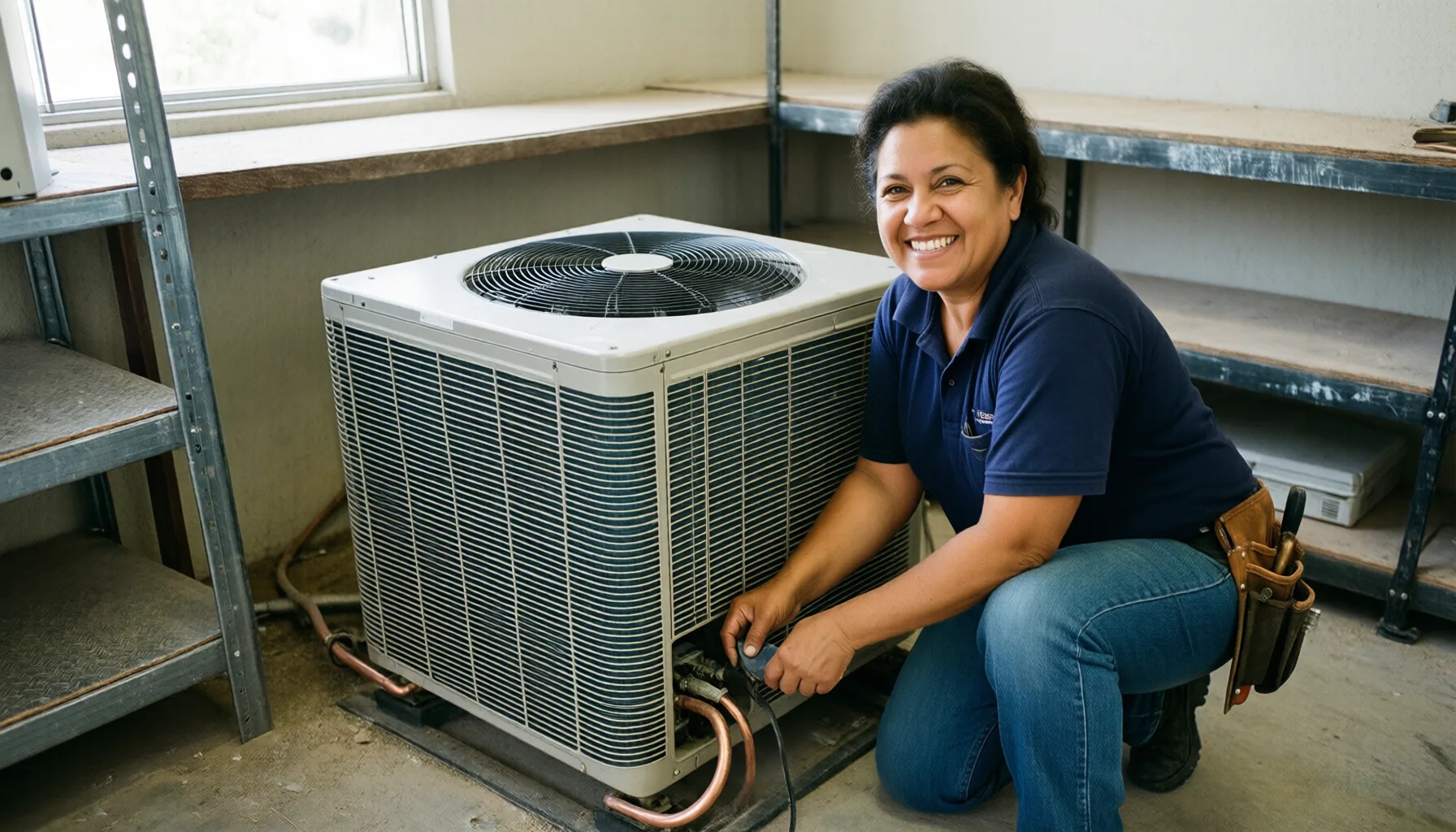
4. Inspect the Outdoor Unit
Give your outdoor unit a thorough look. Signs of oil streaks around the refrigerant connections may indicate a leak. These signs are important as they can lead to a complete breakdown if not addressed.
For residents in the Denver area, maintaining the outdoor unit during mixed weather conditions is crucial for optimal functioning, especially after hailstorms or heavy snowmelt.
5. Evaluate Your Air Flow
Poor airflow is often a request for help from your cooling system. If certain rooms feel warmer than others, you might be facing a refrigerant leak impacting the entire system. Ensuring consistent airflow is vital.
Stagnant air can lead to discomfort, especially in a fluctuating climate like Denver, so addressing this promptly helps maintain a pleasant environment throughout the year.
6. Look for Signs of Moisture
Check for any leaks or moisture buildup around your indoor unit. This is often a sign of improper refrigerant levels or a malfunctioning system.
In a place like Denver, where moisture levels can change dramatically, ensuring that your air conditioning unit is leak-free is integral to avoid mold growth or structural damage.
Denver Climate & Local Context
Denver's climate presents unique challenges for air conditioning systems. With notable temperature variations and extreme weather events like hail and heavy snowmelt, reliable AC repair becomes a necessity for the comfort of homeowners. Moreover, the city's expansive clay soils require additional drainage considerations that can impact home structure.
The freeze-thaw cycles experienced during spring can create pressure differences, which may exacerbate any pre-existing weaknesses in your air conditioning system, making regular inspections critical. Familiarizing yourself with local climate challenges will empower you to take better care of your home.
When to Call a Professional
While there may be minor repairs you can handle, know when to call a professional. For instance, if you've identified a refrigerant leak, it's often best to let experts manage the situation. Below are scenarios where a professional is advisable:
- Unusual noises coming from the unit
- Noticeable increase in energy bills
- Inability to maintain comfortable temperatures
- Ice buildup on coils or refrigerant lines
- Presence of water leaks or pools of moisture
- If DIY attempts result in no improvement
GoodPros Heating and Cooling can efficiently diagnose issues, ensuring your air conditioning unit operates at peak performance without risking personal safety.
Frequently Asked Questions
How can I tell if my AC has a refrigerant leak?
Look for signs such as ice buildup on coils, unusually high energy bills, or a decrease in cooling efficiency.
What should I do if I suspect a refrigerant leak?
It's best to contact a professional to assess the system and implement necessary repairs, preserving the efficiency of your air conditioning.
Are refrigerant leaks common in Denver?
While not overly frequent, varying weather and ground conditions in Denver can contribute to leaks if systems are not regularly maintained.
How can I maintain my AC to prevent leaks?
Routine inspections and servicing, particularly before the summer heat, can help catch potential issues early and avoid costly repairs later.
What are the repercussions of ignoring refrigerant leaks?
Ignoring leaks can lead to decreased efficiency, higher energy costs, and potential system breakdown, necessitating more extensive repairs.
Get Expert Air Conditioning Repair Service in Denver
Don't let refrigerant leaks disrupt your comfort this summer. Be proactive in maintaining your AC system. For quality air conditioning repair in Denver, reach out to GoodPros Heating and Cooling. We're here to help!
Call us today at (303) 339-9416 to schedule your inspection and ensure a cool home.