Emergency AC Repair in Denver: When to Call and What to Expect
Published: 2026-06-30 · By GoodPros Heating and Cooling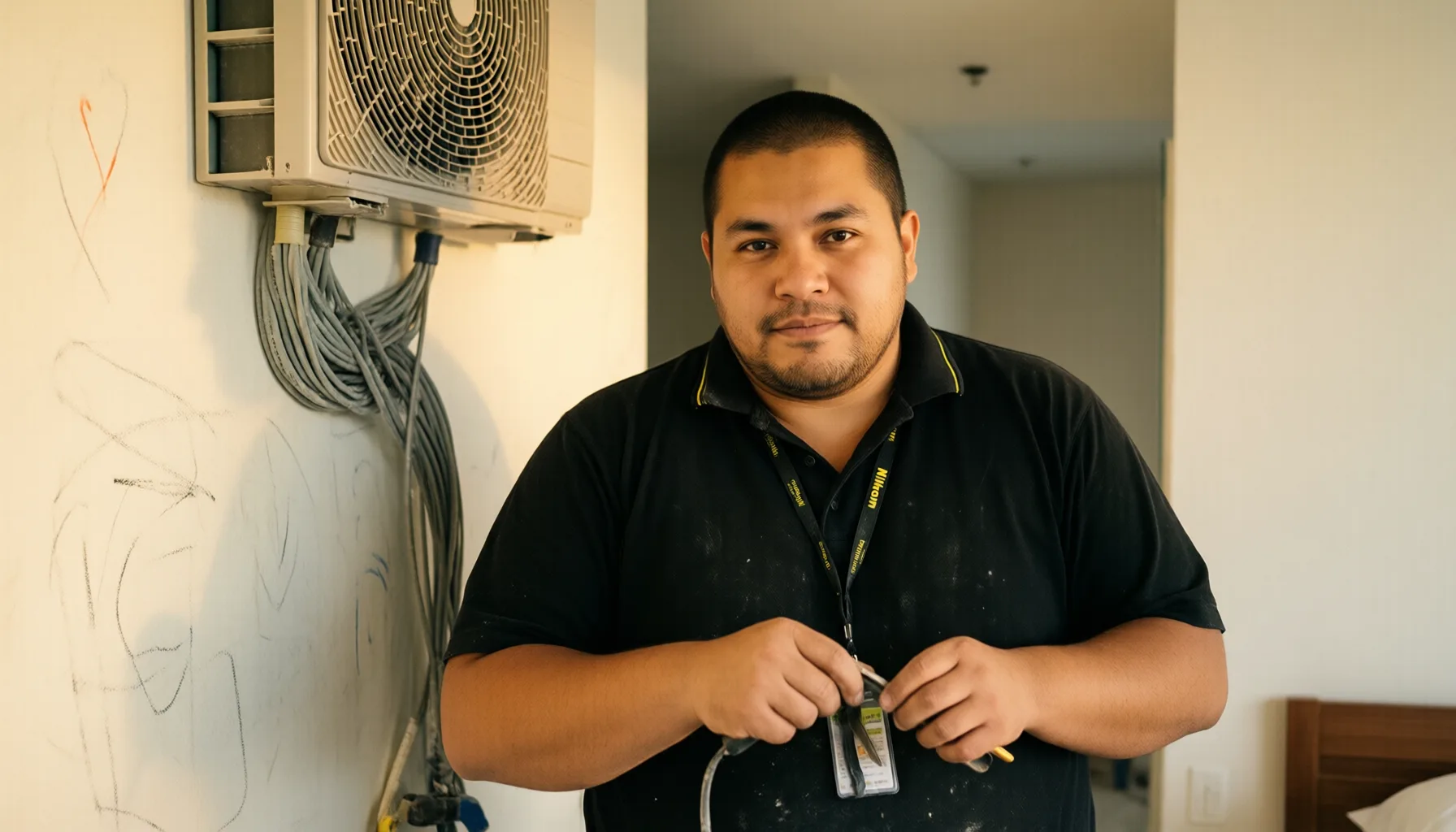
Imagine it's a sweltering July afternoon in Denver, and your air conditioner suddenly stops working. With rapid temperature swings common in the Rockies, residents can't afford to be left without relief. Whether you're hosting friends for a backyard barbecue or just trying to keep your family cool, a malfunctioning AC unit can turn a delightful summer day into a house of discomfort. This is when understanding emergency AC repair becomes essential.
Why This Matters for Denver Homeowners
In Denver, the climate presents unique challenges for homeowners. Rapid temperature fluctuations can put added stress on air conditioning systems, causing unexpected failures. Additionally, hail storms and heavy snowmelt can create conditions favorable for AC breakdowns, with debris clogging units or causing physical damage. Such issues highlight the importance of timely repairs to maintain comfort.
More significantly, many residences in Denver are built on expansive clay soils. This means that as moisture levels change, it can lead to settling and shifting that may impact your home's infrastructure — and your AC unit's effectiveness. Not addressing these repairs quickly can lead to more complex issues down the line, including costly structural repairs.
Never ignore strange noises or poor performance from your air conditioning unit, as these can be early signs of more significant problems.
With the potential for freeze-thaw cycles in spring, homeowners need to stay vigilant. Any delay in addressing AC issues can exacerbate problems and lead to further stress on your equipment or even the home’s foundation.
Expert Solutions & Actionable Tips
1. Assessing Your AC Unit's Performance
Keep an eye on how your AC operates. If the airflow seems weak or uneven, check filters and vents before calling for help. A standard filter replacement costs about $30 and may solve the issue without professional intervention.
Regular maintenance, performing these checks every few months, can help identify issues before they escalate. A small investment in upkeep can prevent the need for emergency repairs later.
2. Understanding Emergency Costs
While rates can vary, emergency air conditioning repair in Denver can cost between $150 to $400, depending on the nature of the issue. Be prepared for potential additional fees if repairs extend into the evening or a weekend.
Investing in a yearly maintenance plan can help mitigate these costs. Some companies offer flat-rate membership options that include priority service and discounted rates on emergencies.
3. DIY Troubleshooting Strategies
Before calling a professional, you might try resetting your unit or checking for tripped circuit breakers. These simple actions may resolve minor issues without incurring repair costs.
Additionally, investigate the thermostat settings, ensuring they are correctly adjusted. Sometimes, issues stem from user error, not mechanical failure.
4. Common Signs Your Unit Needs Help
Look for warning signs indicating your AC may need repairs, including unusual noises, poor cooling, or the system not turning on. Catching these symptoms early can prevent costly breakdowns.
Another sign is increased energy bills without a change in usage; this can suggest your system is struggling and requires a professional assessment.
5. Benefits of Professional Help
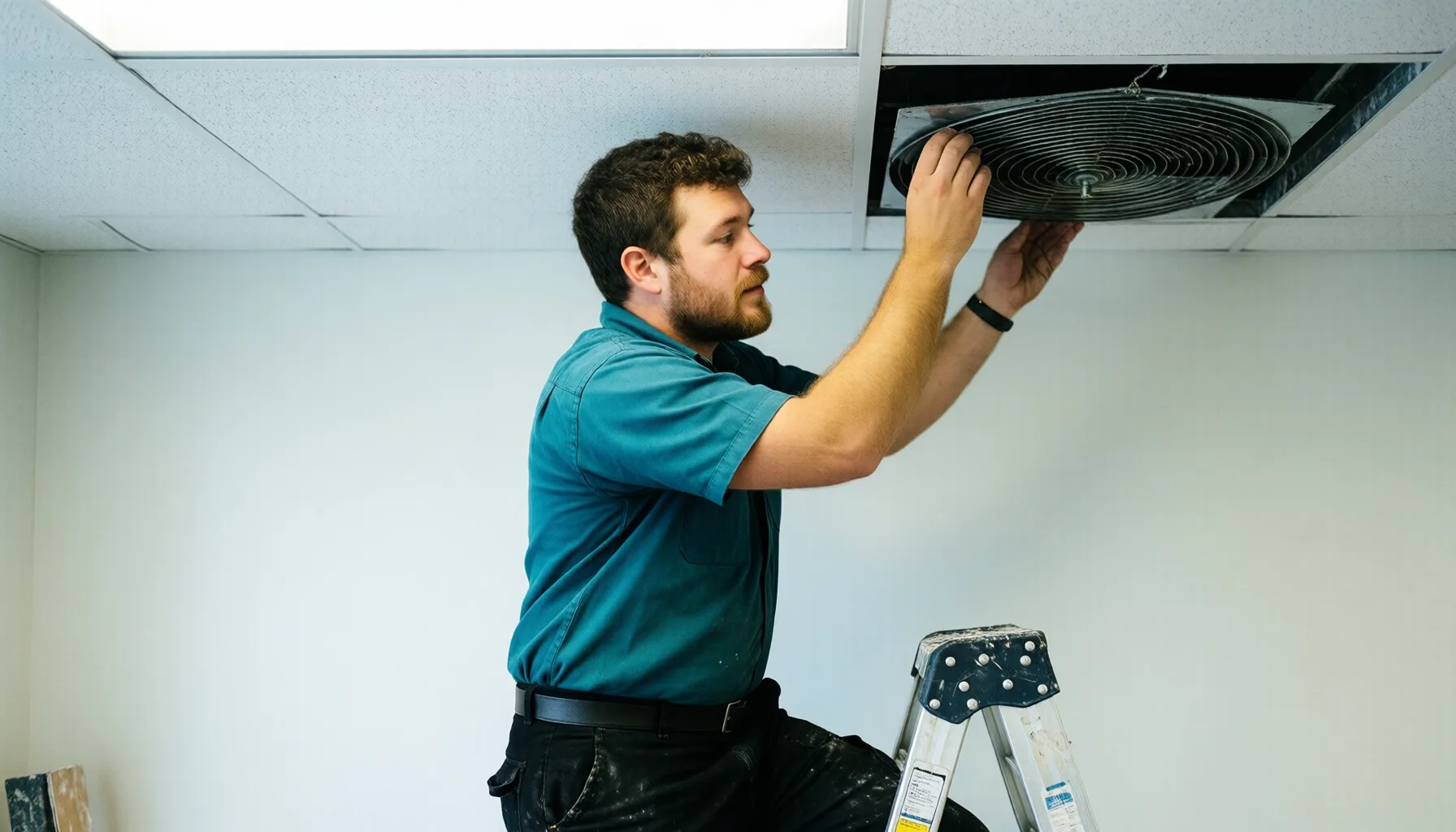
When faced with complex HVAC issues, relying on experts ensures proper diagnosis and repair. At GoodPros Heating and Cooling, experienced technicians address problems quickly and effectively, often before they escalate.
Professionals also have the proper tools to perform repairs safely, reducing the risk of harm to both the technician and your system.
6. Emergency Contact Prep
Prepare for emergencies by having contact information for reliable HVAC services readily accessible. Establishing a relationship with a trusted provider like GoodPros Heating and Cooling ensures rapid response to your needs.
Research area companies beforehand to find one with good reviews, as this can save time when an emergency arises.
Denver Climate & Local Context
Denver's climate is marked by rapid weather transitions, making reliable air conditioning a necessity in the summer months. With average highs reaching the 90s, homeowners depend on their AC systems to provide a respite from the heat.
The architecture in the area often includes homes built on expansive clay soils, necessitating appropriate drainage and support for HVAC systems. Clogged drains due to spring snowmelt may create backflow, affecting performance when you need it most.
Local building codes can dictate specific installation standards for HVAC systems, ensuring they withstand Denver's unique climate conditions. It's vital to stay informed about these regulations when planning repairs or replacements and consult professionals who understand local requirements.
When to Call a Professional
Determining whether to DIY or call a professional hinges on the issue at hand. Simple tasks like changing filters or adjusting thermostats can easily be handled by homeowners.
However, for more complex problems — including refrigerant leaks or electrical faults — it's wise to defer to a professional. Lack of experience can lead to safety hazards and further damage.
- Unit making strange noises
- Inability to cool the home effectively
- Visible refrigerant leaks
- Unit cycling frequently
- Thermostat issues
- Burning smells or electrical problems
Trusting experts ensures safety and efficacy, leading to longer AC life and better energy efficiency.
Frequently Asked Questions
What are common causes of AC failure in Denver?
Common causes of AC failure can include clogged filters, electrical issues, and improper installation. The rapid weather changes in Denver can exacerbate these issues.
How can I prevent my AC unit from breaking down during the summer?
Regular maintenance is key. This includes cleaning filters, checking refrigerant levels, and scheduling professional check-ups to catch potential issues early.
Is it worth it to pay for preventative AC maintenance?
Yes, investing in preventative maintenance can significantly reduce emergency repair costs and extend the life of your unit, especially in Denver’s fluctuating climate.
What should I look for in an AC repair service?
Look for a service with positive customer reviews, transparency in pricing, and deep knowledge of local climate challenges. GoodPros Heating and Cooling fits this bill perfectly.
How long does an emergency repair usually take?
Emergency repairs can typically be completed within a few hours, depending on the complexity. Prompt service is essential, especially during peak summer heat.
Get Expert Air Conditioning Repair Service in Denver
If you find yourself in need of emergency AC repair in Denver, don’t hesitate to reach out for help. At GoodPros Heating and Cooling, our skilled team is equipped to tackle any issue that arises swiftly and effectively.
For immediate assistance, call (303) 339-9416 to ensure your home stays comfortable through Colorado's unpredictable weather.